
Procedures and Conditions
Moles
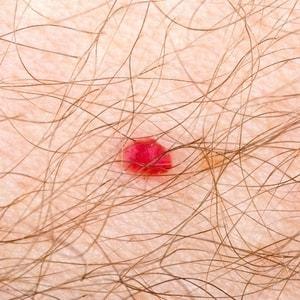
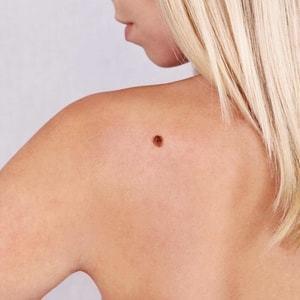
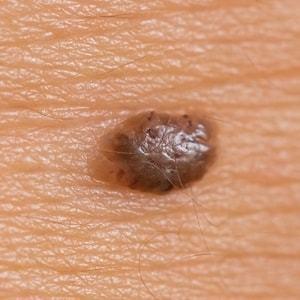
Moles occur when pigment-producing skin cells called melanocytes grow in clusters rather than being distributed evenly throughout the skin. Melanocytes are responsible for producing melanin, the pigment that gives skin its natural colour. Moles may change in appearance over time and can become darker with sun exposure. Hormonal changes, such as those occurring during adolescence or pregnancy, may also influence their size or pigmentation.
Treatment options depend on the clinical assessment of the lesion and the patient’s goals. These may include:
- Complete surgical excision, in which the mole is fully removed and the surrounding skin is closed with sutures
- Partial removal (debulking), in which a portion of the lesion is removed when complete excision is not indicated or appropriate
All lesions should be evaluated prior to treatment to determine the most appropriate approach and to rule out any need for further medical investigation.
Skin Tags
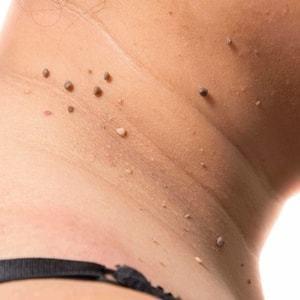
Skin tags are small, soft, flesh-coloured skin growths that are typically benign (non-cancerous). They are common in adults and may appear as isolated lesions or in small clusters. Although skin tags are generally harmless, they may become bothersome if they are irritated by clothing, jewellery, or friction. Common locations include the eyelids, neck, armpits, groin folds, and under the breasts.
Treatment is optional and may be considered for symptomatic or cosmetic reasons. Procedure options may include:
- Cryotherapy, which involves freezing the lesion using a very cold substance
- Surgical excision, which involves removal using a sterile blade or similar technique
All lesions should be assessed prior to treatment to confirm the diagnosis and ensure the most appropriate management approach.
Keratosis
Keratoses are common benign skin growths that may appear as brown, black, or light tan lesions. They are often found on sun-exposed areas such as the back, shoulders, face, or chest. These lesions may have a slightly raised, scaly, or waxy appearance. Because certain keratotic lesions can resemble other skin conditions, including pigmented lesions that may require further evaluation, clinical assessment by a qualified healthcare professional is recommended.
Treatment options, when indicated for symptomatic or cosmetic reasons, may include:
- Shave excision, where the lesion is carefully removed from the skin surface
- Chemical or thermal cautery, which uses controlled chemical agents or heat to remove tissue
- Cryotherapy, which involves freezing the lesion using a very cold substance
- Curettage, which involves gently scraping the lesion from the skin surface using a specialized instrument
The most appropriate treatment option is determined following clinical evaluation of the lesion.
Keloid
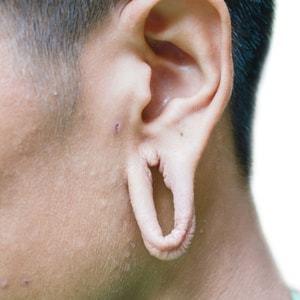
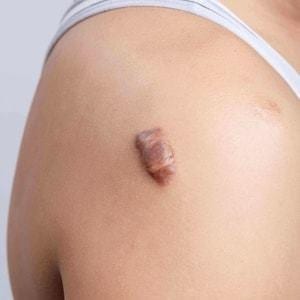
Keloids are raised scars that can develop after the skin has healed following an injury. They may appear firm and range in colour from pink to red, and in some cases may extend beyond the boundaries of the original wound. Keloids most commonly occur on areas such as the shoulders, chest, back, and ears. They can develop following various types of skin injury, including cuts, burns, surgical incisions, or inflammatory skin conditions such as severe acne. Individuals with darker skin tones or of certain genetic backgrounds may have a higher risk of developing keloid scarring.
Treatment options vary depending on the size, location, and severity of the keloid and may include:
- Surgical excision, in which the keloid is removed and the surrounding skin is closed with sutures
- Silicone therapy, involving the application of silicone sheets or gel over time
- Corticosteroid injections, which may help reduce scar thickness and improve appearance gradually over a period of months
Treatment is individualized, and recurrence can occur. A clinical assessment is required to determine the most appropriate management approach.
Lipoma
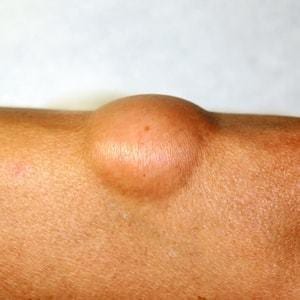
Lipomas are benign soft tissue growths composed of fat cells. They are typically soft, mobile, and painless, and are most commonly found just beneath the skin, although they can occasionally occur in deeper tissues. While lipomas are usually non-cancerous, any new or changing soft tissue mass should be assessed by a qualified healthcare professional to confirm the diagnosis and rule out other conditions. Treatment is generally not required unless the lipoma is symptomatic, growing, or of cosmetic concern. When removal is indicated, the primary treatment option is:
- Surgical excision, in which the lipoma is completely removed and the skin is closed with sutures
Management decisions are made following clinical evaluation to ensure appropriate and safe care.
Cyst
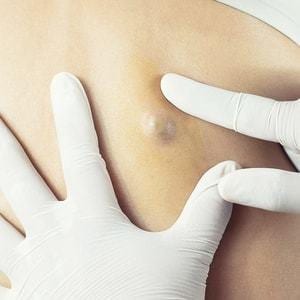
Cysts are typically benign, closed sacs of tissue that may contain fluid, pus, or other material. They can develop anywhere on the skin and are commonly associated with blocked oil glands, infection, or irritation from foreign material, such as body piercings. Clinical assessment is recommended to confirm the diagnosis and to determine the most appropriate management, as some lesions may require further evaluation.
Treatment options, when indicated, may include:
- Surgical excision, involving complete removal of the cyst with closure of the skin using sutures
- Needle aspiration or drainage, where the contents of the cyst are removed to relieve symptoms
The choice of treatment depends on the type, size, location, and recurrence of the cyst, as determined during medical evaluation.
Growth
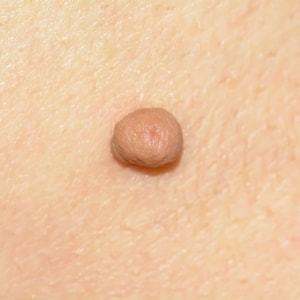
Skin growths may be raised or flat and can vary in colour from dark brown or black to skin-coloured or red. They may be present at birth or develop later in life. When cell growth remains localized and does not spread to other parts of the body, the lesion is considered non-cancerous (benign). However, clinical assessment is required to determine the nature of any skin growth and to establish an accurate diagnosis.
Treatment options depend on the type, size, and characteristics of the lesion and are determined following medical evaluation.
- Consultation with a physician is required to assess the lesion and determine the most appropriate management plan
All skin lesions should be evaluated by a qualified healthcare professional to ensure appropriate diagnosis and treatment.
Nodules
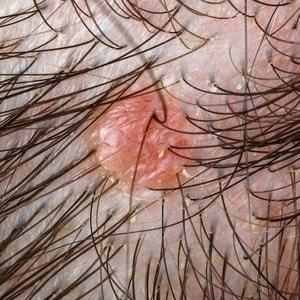
Nodules are a category of skin or soft tissue growths that may develop just beneath the skin or, in some cases, within deeper tissues. They can occasionally occur in internal organs depending on the underlying cause. Nodules may be mistaken for other conditions such as cysts, boils, or abscesses. Because there are multiple possible causes, clinical evaluation is important to determine the nature of the lesion and to rule out any serious or malignant conditions.
Treatment options depend on the diagnosis, size, location, and symptoms and may include:
- Surgical excision, involving complete removal of the lesion with closure of the skin using sutures
- Oral antibiotics, when infection is suspected or confirmed
- Needle aspiration or drainage, to remove fluid or reduce pressure when indicated
A proper medical assessment is required to determine the most appropriate management approach.
Wart
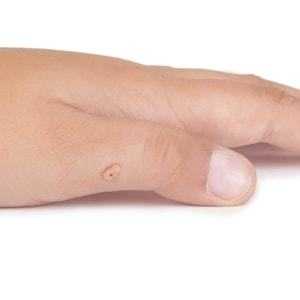
Warts are common benign skin growths that may appear anywhere on the body, most frequently on the hands, feet, and genital area. They can present as rough, raised lesions with a firm surface and may have a cauliflower-like appearance. Warts are caused by certain strains of the human papillomavirus (HPV). They may spread to other areas of the skin through direct contact or self-inoculation; however, this risk can be reduced with appropriate treatment and hygiene measures.
Some wart treatments may be covered under OHIP when medically indicated.
Treatment options may include:
- Prescription topical medications, applied regularly over a period of weeks to months
- Cryotherapy, which involves freezing the lesion using a very cold substance
- Shave excision, involving removal of the superficial lesion layer
- Punch biopsy excision, in which the lesion is removed using a circular cutting instrument
The most appropriate treatment is determined following clinical assessment.
Painful Pimple
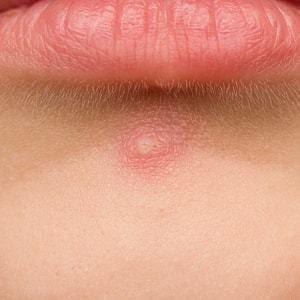
Pimples (acne lesions) develop when hair follicles or pores become blocked due to a combination of oil (sebum), dead skin cells, and bacteria. This blockage can lead to inflammation as the body’s immune response activates, resulting in redness, swelling, and sometimes discomfort or pain. In some cases, lesions located near nerve-rich areas may be more sensitive.
Treatment options depend on the type and severity of the acne lesion and may include:
- Comedone or acne extraction, using sterile instruments to gently remove blocked material from the pore
- Incision and drainage, in selected cases, involving a small controlled opening to release contents of an inflamed lesion
- Intralesional corticosteroid injection, which may help reduce inflammation and may decrease the risk of scarring in appropriate cases
All treatments are performed following clinical assessment to determine suitability and to ensure safe and appropriate care.
Wart