
Is Cosmetic Chin Surgery For You?
- What Happens During Chin Augmentation Surgery
- What Happens During Chin Reduction Surgery
- What Happens After Chin Surgery
Chin Surgery
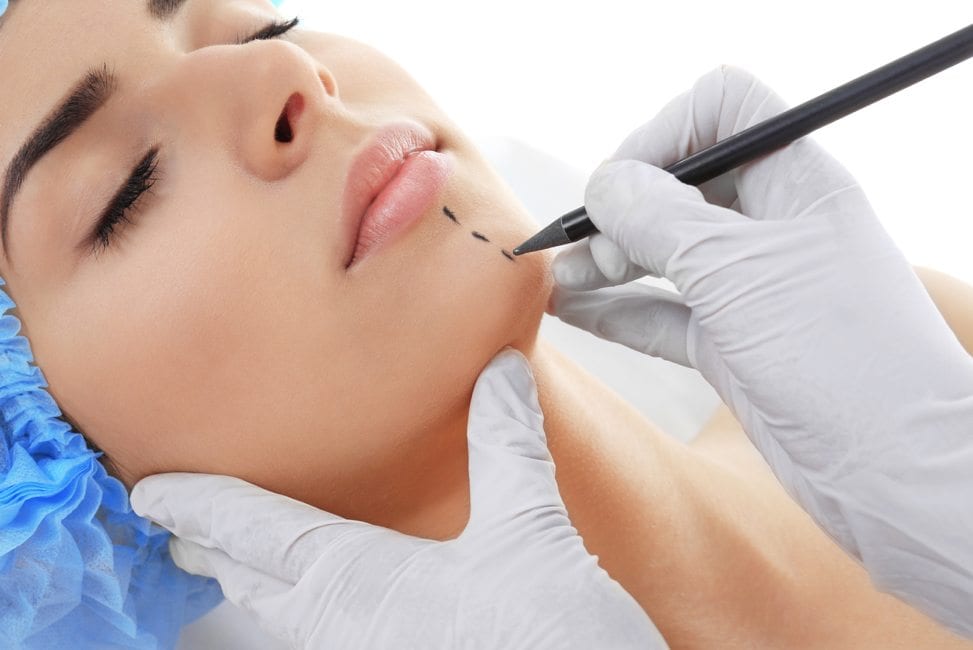
The chin plays an important role in overall facial balance and profile harmony. Changes in chin projection or contour may affect the perceived proportions of other facial features, including the nose and jawline. Chin surgery, also known as genioplasty or chin augmentation, may be considered for individuals who have concerns related to chin size, projection, or contour. Depending on individual anatomy and clinical assessment, surgical options may include the use of an implant, repositioning of the chin bone, or reduction techniques. In some cases, liposuction in the submental area (under the chin) may be considered to address localized fullness.
During consultation, the surgeon evaluates facial structure and proportions to determine appropriate treatment options. In some cases, additional procedures may be discussed if they are clinically indicated to help achieve balanced facial proportions. Patients are provided with information regarding the proposed surgical plan, including the technique, type of anesthesia, potential risks, benefits, limitations, and expected recovery. Suitability for surgery is determined on an individual basis following a medical assessment.
Contact Us
Cosmetic Chin Surgery Toronto: Mentoplasty | Genioplasty What Happens During Chin Augmentation Surgery
Chin augmentation procedures are performed using an incision that may be placed either within the natural crease beneath the chin or inside the mouth where the gum meets the lower lip, depending on the surgical approach and clinical assessment. Through the chosen access point, the surgeon creates a surgical plane to allow placement of a chin implant or, when indicated, adjustment of the underlying bone structure. Chin implants are made from biocompatible materials and are available in various shapes and sizes to accommodate individual anatomical differences. The selection of implant type and size is determined during the pre-operative consultation based on the patient’s facial structure and treatment goals.
At the end of the procedure, the incision is closed with sutures. When an intraoral approach is used, no external scar is visible. When an external incision is used, it is typically placed within a natural skin crease beneath the chin to help minimize visibility. For chin reduction procedures, the surgical technique and incision placement vary depending on the approach selected and are determined by the surgeon during the treatment planning process. Suitability for any procedure is assessed individually during consultation, including a review of risks, benefits, and expected outcomes.
What Happens During Chin Reduction Surgery
In chin reduction surgery, incisions may be made either inside the mouth or beneath the chin, depending on the surgical approach and clinical assessment. The surgeon reshapes or reduces the chin bone to achieve improved facial balance, when indicated. In cases involving orthognathic (jaw) surgery, an incision is typically made inside the mouth to access and reposition the facial bones as part of a planned corrective procedure.
The duration of surgery varies depending on the complexity of the case and the extent of correction required, and may range from less than one hour to approximately three hours. As with all surgical procedures, suitability, risks, benefits, and expected outcomes are determined individually during consultation with a qualified healthcare professional.
What Happens After Toronto Chin Surgery
Immediately following cosmetic chin surgery, a dressing is typically applied and may remain in place for approximately two to three days, depending on the surgeon’s protocol and individual case. Patients may experience post-operative tenderness or discomfort, which can generally be managed with prescribed pain medication. Swelling and a feeling of tightness or pressure in the area are common in the early recovery period and typically improve gradually over the first week.
A soft or liquid diet may be recommended for a few days following surgery, as chewing may be limited during the initial healing phase. Most swelling gradually subsides over several weeks, with many patients seeing significant improvement by approximately six weeks. Activity restrictions may be advised during the early recovery period, and most individuals are able to gradually resume normal daily activities within approximately 7–10 days, depending on healing progress. As with all surgical procedures, recovery experiences vary between individuals. Patients are advised to follow all post-operative instructions provided by their surgeon to support healing and reduce the risk of complications.
Suitability for surgery, expected outcomes, and recovery timelines are discussed during the consultation process with a qualified healthcare professional. Insurance coverage is generally not provided for procedures performed for cosmetic purposes; however, coverage may vary in cases involving functional concerns or reconstructive indications, and patients should confirm details directly with their insurance provider.
Book your complimentary appointment today! (416) 962 4444


