

Interest in buttock enhancement procedures, including the Brazilian Butt Lift (BBL), has increased in recent years as body contouring trends have evolved. Patients often seek this procedure to enhance body proportions and improve the shape and volume of the buttocks. Historically and across different cultures, preferences regarding body shape have varied widely. Today, many individuals consider buttock augmentation as part of their personal aesthetic goals. A consultation with a qualified surgeon is required to determine whether a Brazilian Butt Lift is appropriate, based on individual anatomy, health status, and safety considerations. All risks, benefits, and alternatives will be discussed prior to any treatment decision.
Preferences regarding body shape and proportions vary across individuals and cultures. Some patients express interest in fuller buttock contours as part of their overall body aesthetic goals.
The appearance of the hips and buttocks contributes to overall body silhouette and may be one factor individuals consider when seeking body contouring procedures.
At La Fontaine Source de Jeunesse Cosmetic Surgery Centre, Brazilian Butt Lift (BBL) procedures are offered to appropriately selected patients following a thorough consultation and medical assessment. During this consultation, the surgeon evaluates anatomy, health status, and goals to determine whether the procedure is suitable, and reviews all risks, benefits, and alternatives.
.
What is a Gluteoplasty or Butt Lift Surgery?
A Brazilian Butt Lift (BBL) is a type of buttock augmentation procedure that uses the patient’s own fat, transferred from other areas of the body through liposuction, to enhance shape and volume in the buttocks. The procedure is designed to improve body contour and proportion based on individual goals and anatomy.
Patients of various ages may consider this procedure as part of their body contouring options. Results vary from patient to patient and depend on factors such as body type, fat availability, and healing response.
A consultation with a qualified surgeon is required to determine suitability and to review the risks, benefits, and expected outcomes of the procedure.
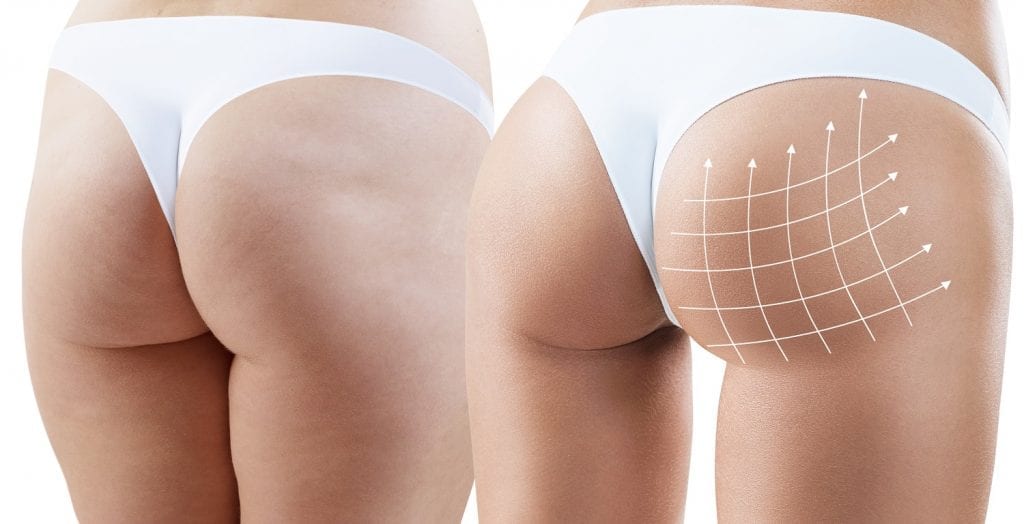
Individual results may vary.
A Brazilian Butt Lift (BBL) is a body contouring procedure that involves fat transfer to the buttocks. During your consultation with a qualified plastic surgeon, your goals will be discussed, and a physical assessment will be completed to determine whether you are a suitable candidate and what outcomes may be achievable based on your anatomy.
The procedure typically involves liposuction to remove fat from selected areas of the body. The harvested fat is then processed and purified before being carefully injected into the buttocks to enhance shape and volume.
Common donor areas for liposuction may include the abdomen, flanks (love handles), lower back, and thighs. In addition to contributing fat for transfer, liposuction in these areas may also improve overall body contour and proportion.
A full consultation is required to review risks, benefits, limitations, and expected recovery before proceeding with surgery.
Recovery time after Buttock Augmentation Surgery
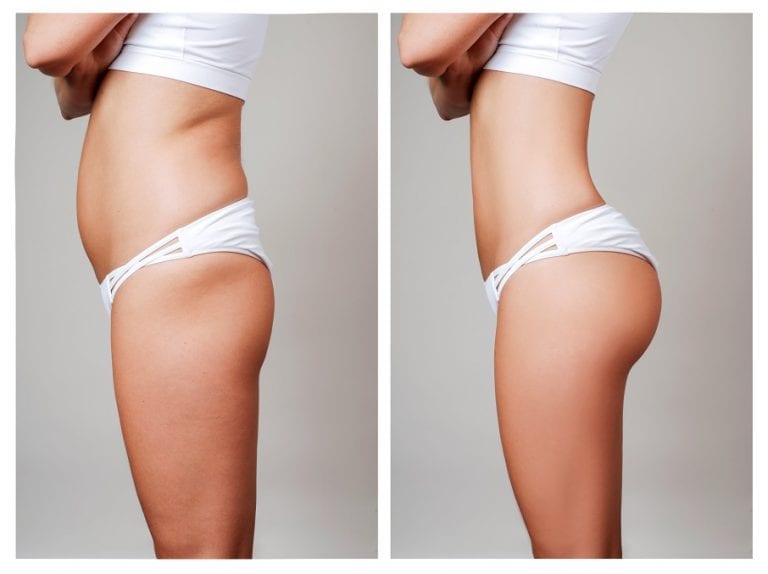
*Individual Results May Vary
Recovering from a Brazilian Butt Lift/ Liposuction & Fat Transfer
Following your surgeon’s post-operative instructions is important to support proper healing and recovery after surgery. These instructions may include guidance on the use of compression garments, compression stockings, prescribed medications such as antibiotics (if required), and recommended levels of activity during the recovery period.
Compression stockings may be purchased from a pharmacy. Compression garments may be provided through the clinic or arranged directly as instructed by your care team.
Your surgeon will also review expected post-operative sensations, normal healing changes, and warning signs that may require medical attention.
Recovery timelines vary between patients, and there is no fixed recovery period applicable to all individuals. On the first day following buttock augmentation surgery, patients are typically advised to rest and limit movement while maintaining circulation through gentle movement of the hands and feet. Early mobilization is usually introduced gradually, as advised by the surgeon.
Patients are generally instructed to avoid direct pressure on the buttocks during the early healing phase, often by lying on the stomach or sides, depending on individual surgical instructions. Bruising and swelling in the treated and donor areas are common and typically improve over time.
A consultation is required to review suitability for surgery, expected recovery, risks, and post-operative care in detail.