
1. Candidates for Liposuction
2. Types of Liposuction
3. Before Liposuction Surgery
4. After Liposuction Surgery
What is the difference between abdominal liposuction and a tummy tuck?
Liposuction in Toronto
Liposuction is a surgical procedure used to remove localized deposits of excess fat from specific areas of the body. It is intended for body contouring rather than weight loss. During the procedure, small incisions are made in the treatment area. A thin tube called a cannula is inserted beneath the skin to help loosen and remove fat using suction. The technique and extent of treatment vary depending on the area being treated and the patient’s individual anatomy. The duration of a liposuction procedure typically ranges from approximately 1 to 3.5 hours, depending on the number of areas treated and the volume of fat being removed. Outcomes following liposuction vary between individuals. Factors such as lifestyle, diet, and weight stability can influence long-term results. Patients are advised to maintain realistic expectations, as the procedure is intended to improve body contour rather than significantly change overall weight. As with all surgical procedures, liposuction carries potential risks and benefits, which will be reviewed during consultation. A consultation with a qualified surgeon is required to determine suitability and appropriate treatment planning.
Contact Us
Candidates For Liposuction
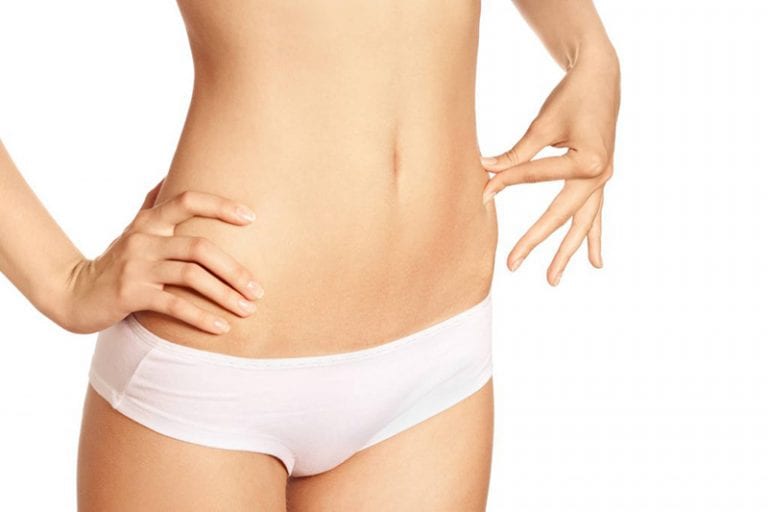
Some individuals may have localized areas of fat that do not respond to diet and exercise, even when overall weight has been reduced or maintained. Liposuction is a surgical procedure that may help address these localized fat deposits to improve body contour and proportion. Common areas treated with liposuction may include the abdomen, thighs, hips, buttocks, waist, knees, neck, and under the chin. In some cases, it may also be used to address excess chest tissue in male patients. Liposuction is intended for body contouring and is not a treatment for obesity or weight loss.
Patient Suitability and Considerations
A consultation is required to determine whether liposuction is appropriate. Candidacy is based on several factors, including:
- Overall health status
- Stable body weight
- Realistic expectations regarding outcomes
- Skin quality and elasticity
Patients with better skin elasticity may experience improved contouring results, as the skin needs to contract following fat removal. Skin laxity may increase with age, which will be considered during surgical planning. Liposuction is not appropriate for treating visceral fat (fat located around internal organs), cellulite, or significant generalized obesity. In such cases, alternative medical or lifestyle-based approaches may be recommended. A qualified surgeon will assess each patient individually to determine suitability, discuss expected outcomes, and review potential risks and limitations prior to any procedure.
Types of Liposuction
There are several liposuction techniques that may be used depending on the treatment area, the amount of fat being removed, and individual patient factors. Your surgeon will determine the most appropriate approach during consultation.
Common liposuction techniques include:
- Tumescent liposuction
- Power-assisted liposuction (PAL)
- SAFE liposuction
- Ultrasound-assisted liposuction (e.g., VASER)
- Water-assisted liposuction
- Radiofrequency-assisted liposuction (RFAL)
- Laser-assisted liposuction (in selected cases)
Overview of Selected Techniques
Tumescent Liposuction
Tumescent liposuction involves the injection of a large volume of diluted local anesthetic solution into the treatment area. This solution helps to numb the area and reduce bleeding by constricting blood vessels. Once the area is prepared, fat is removed using a cannula. In some cases, tumescent liposuction may be performed with local anesthesia and/or sedation depending on the patient and clinical setting.
Power-Assisted Liposuction (PAL)
Power-assisted liposuction uses a specialized device that causes the cannula to move in a rapid back-and-forth motion. This may help facilitate fat removal, particularly in areas with denser or more fibrous fat. This technique may improve surgical efficiency and precision in selected cases.
SAFE Liposuction (Separation, Aspiration, Fat Equalization)
SAFE liposuction is a multi-step technique that involves loosening fat, removing it in a controlled manner, and smoothing the remaining layer of tissue to help achieve a more even contour. The goal of this approach is to support more uniform fat removal and reduce contour irregularities in appropriately selected patients. All surgical techniques have potential risks and benefits. A consultation with a qualified surgeon is required to determine the most appropriate method based on individual anatomy, goals, and medical suitability.
Additional Liposuction Techniques
Several liposuction techniques and technologies are available. The most appropriate method depends on the treatment area, the amount of fat being removed, and individual patient factors. Your surgeon will determine the most suitable approach during consultation.
Laser-Assisted Liposuction (e.g., SmartLipo)
Laser-assisted liposuction uses laser energy delivered through a small probe inserted beneath the skin to help disrupt fat cells prior to removal. The fat is then removed using a suction cannula. In some cases, laser energy may also be associated with tissue contraction, which may contribute to skin tightening in selected patients. Suitability and expected outcomes vary, and results are not guaranteed.
Ultrasound-Assisted Liposuction (e.g., VASER)
Ultrasound-assisted liposuction uses ultrasound energy to help break down fat cells prior to removal. This technique is typically performed in combination with standard liposuction methods. Non-surgical body contouring treatments that use external ultrasound or massage-based devices are separate from surgical liposuction and may provide temporary or limited results.
Water-Assisted Liposuction
Water-assisted liposuction uses a pressurized stream of saline solution to help dislodge fat cells before removal. This technique is designed to be gentler on surrounding tissues in selected cases and may be associated with reduced bruising and swelling compared to some other methods.
Radiofrequency-Assisted Liposuction (RFAL)
Radiofrequency-assisted liposuction uses thermal energy to help liquefy fat and may also promote tissue contraction in some patients. A cannula is then used to remove the fat. This technique may be used in selected cases depending on patient suitability and treatment goals.
General Considerations
Liposuction techniques vary in their approach, invasiveness, and evidence supporting their use. Not all devices or methods are appropriate for every patient, and suitability depends on clinical assessment and surgeon judgment.
A consultation with a qualified surgeon is required to determine the safest and most appropriate technique based on individual anatomy, health status, and goals.
Before Liposuction Surgery
Before undergoing any surgical procedure at La Fontaine Source de Jeunesse Cosmetic Surgery Centre, each patient is assessed by a qualified physician to determine overall health status and suitability for surgery. This evaluation helps identify the most appropriate treatment options based on individual anatomy, medical history, and goals. For liposuction specifically, the surgeon will assess areas of localized fat distribution, skin quality and elasticity, and overall body composition. Patients are encouraged to provide complete and accurate information regarding their medical history, including weight fluctuations, smoking status, and the use of medications or supplements, as these factors may affect surgical planning and safety. In some cases, alternative or additional procedures, such as abdominoplasty (tummy tuck), may be recommended to achieve optimal body contouring results. During consultation, the surgeon will review the planned procedure, surgical technique, anesthesia options, associated risks, limitations, and expected outcomes, as well as pre- and post-operative instructions. For more extensive procedures, pre-operative blood tests or other investigations may be requested to ensure patient safety and readiness for surgery. Patients will receive specific instructions prior to surgery, which may include guidance on eating, drinking, smoking cessation, and the use of certain medications or supplements. It is important to follow these instructions carefully to reduce risks and support proper healing. If a patient develops an infection or other acute medical condition prior to surgery, the procedure may need to be postponed until it is medically safe to proceed.
Following surgery, patients are typically discharged the same day, depending on the procedure performed. Arrangements should be made in advance for transportation home, as patients will not be able to drive themselves. Assistance at home during the initial recovery period may also be required.
.
Areas That Can Be Treated With Liposuction
Abdominal Liposuction
The abdominal area is one of the most commonly treated regions for liposuction. Patients may consider this procedure when there are localized fat deposits in the abdomen that do not respond adequately to diet and exercise. Liposuction of the abdomen is intended to improve body contour by removing targeted fat deposits and creating a smoother abdominal shape. The specific treatment plan, including incision placement and technique, will be determined by the surgeon based on individual anatomy and surgical goals. In some cases, small incisions are made in discreet locations to allow for fat removal using a cannula. Your surgeon will review the planned approach with you in detail during consultation. It is important to note that liposuction does not remove excess skin. In cases where significant skin laxity is present, an abdominoplasty (tummy tuck) may be recommended as a more appropriate option to address excess skin and improve abdominal contour. A consultation with a qualified surgeon is required to determine suitability and the most appropriate treatment plan based on individual assessment.
Thigh Liposuction
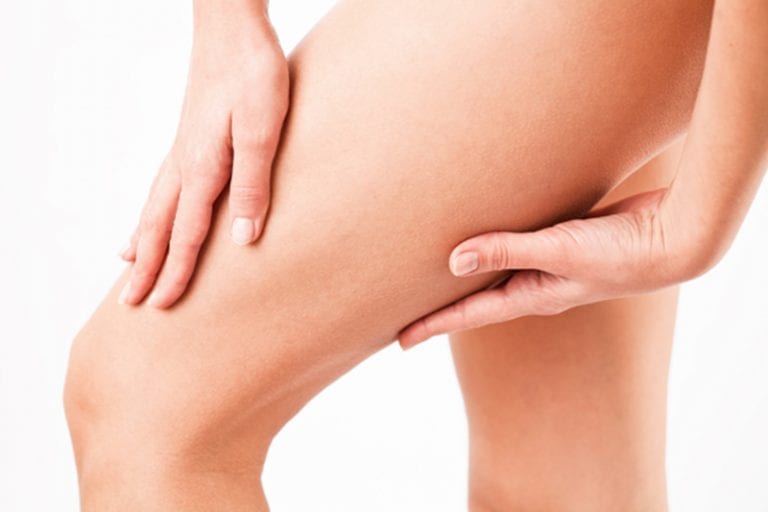
Some patients consider liposuction of the thighs when they have localized fat deposits that affect the contour of the inner or outer thighs. This may include concerns related to thigh fullness, contour irregularities, or friction between the thighs. Liposuction may be performed on the inner, outer, anterior (front), or posterior (back) aspects of the thighs, depending on individual anatomy and treatment goals. The surgical approach and incision placement vary depending on the area being treated. These are planned carefully by the surgeon to allow access for fat removal while considering safety, healing, and aesthetic outcomes. Skin quality and elasticity are also important factors in determining the expected result following fat removal. In selected cases, liposuction may also be performed in the buttock or surrounding areas as part of overall body contouring. Treatment decisions are individualized, as different anatomical concerns may require different surgical approaches. A consultation with a qualified surgeon is required to assess suitability, review options, and determine the most appropriate treatment plan based on individual anatomy and goals.
Flank Liposuction
The flanks, commonly referred to as the “love handle” area, are a frequent treatment region for liposuction. This area may develop localized fat deposits that are resistant to diet and exercise in some individuals. Flank liposuction is intended to improve waistline contour by removing targeted fat deposits and creating a smoother transition between the abdomen, waist, and back. The surgical plan, including patient positioning and incision placement, is determined by the surgeon based on individual anatomy and goals. In most cases, small incisions are placed in discreet locations to allow access for a cannula used to remove fat. The technique and direction of fat removal vary depending on the treatment plan and surrounding body areas to achieve balanced contouring. Liposuction is a body contouring procedure and not a weight-loss treatment. A consultation with a qualified surgeon is required to determine suitability, expected outcomes, and appropriate treatment planning.
Arm Liposuction
Some individuals may have localized fat deposits in the upper arms that contribute to a bulkier appearance or disproportion relative to the rest of the body. Liposuction may be considered in such cases to help improve arm contour. It is important to distinguish between excess fat and excess skin. Liposuction is generally most appropriate for patients with good skin elasticity and localized fat deposits. When there is significant skin laxity or sagging, an arm lift (brachioplasty) may be a more suitable procedure. During arm liposuction, small incisions are typically placed in discreet locations to allow access for fat removal using a cannula. The specific technique and incision placement will depend on individual anatomy and the surgical plan discussed during consultation. A consultation with a qualified surgeon is required to determine the most appropriate treatment option based on clinical assessment, anatomy, and patient goals.
Back Liposuction
Some patients may have localized fat deposits in the upper or mid-back region, which can affect body contour and may be noticeable under clothing or along bra lines. Liposuction may be considered to help improve contour in this area by removing targeted fat deposits. During back liposuction, small incisions are typically made in discreet locations on the back to allow access for fat removal using a cannula. Incision placement is planned carefully by the surgeon to help minimize visible scarring, which is often positioned to be concealed under clothing or undergarments when possible. As with all liposuction procedures, results vary between individuals and depend on factors such as skin quality, body anatomy, and healing response. A consultation with a qualified surgeon is required to determine suitability and discuss expected outcomes, risks, and limitations.
Inner Knee Liposuction
Some patients may have localized fat deposits around the inner knee that can affect the contour of the lower thigh and knee area. Liposuction in this region may be considered to address these localized fat deposits and improve overall leg contour. During inner knee liposuction, small incisions are made in carefully selected and discreet locations, depending on the surgical plan and individual anatomy. A cannula is then used to help remove targeted fat deposits.
Consultation and Assessment
A consultation with a qualified surgeon is an important step before proceeding with any liposuction procedure. During this appointment, the surgeon will assess your medical history, examine the treatment areas, and discuss your goals to determine whether liposuction is appropriate or if alternative treatments may be more suitable. The surgeon will also explain the procedure in detail, including the surgical approach, expected recovery, potential risks, limitations, and post-operative care. Patients are encouraged to ask questions to ensure they fully understand the procedure and expected outcomes. If liposuction is not the most appropriate option, the surgeon may recommend alternative surgical or non-surgical approaches based on individual assessment.

After Liposuction Surgery
In order to carefully handle any bleeding or swelling that may occur during or after surgery, patients will be given a special garment to compress the area being treated and provide support. The garment will include tape and gauze that will be applied to incisions to absorb drainage. The small amount of drainage of blood and fluid used during surgery may continue after surgery, so it is advised that patients continue to dress their incisions with gauze and compression. Doctors will give patients more specific instructions on how to care for their incisions after surgery.
Post-liposuction surgery will most likely result in some swelling, soreness and bruising in the area that was treated. Wearing compression garments up to 6 weeks after surgery will help the body maintain its new shape and help decrease swelling. Soreness may last up to 3 days after surgery, while bruising goes away in about 2 weeks. However, it is typical for patients to return to regular work activity within a week after surgery. More aggressive forms of activity, such as exercise, may need to be put off for a couple of weeks after the procedure. Patients will be able to shower the day after their surgery, but instructions on how to remove and reapply the garment and dressing will be given by doctors.
Doctors at La Fontaine believe it is important that they follow up with their patients to carefully assess the progress of their procedures and be aware of any complications. Therefore, follow up appointments will be made so that patients will have a better idea of the progress of their healing and be properly advised on what activities can and cannot be done until full recovery. It is important that patients maintain a healthy diet and exercise in order to sustain their new body shape after the procedure is done.
Possible Risks and Complications
As with any procedure, there are possible risks of complications arising. Although it is rare for La Fontaine patients to experience complications, it is important that they remain aware of any possibilities. It is possible for severe trauma to occur if multiple areas undergo liposuction at the same time. Any new experiences to the body can cause shock. Furthermore, fluid may accumulate in the area of the procedure, which would need to be drained. On the other hand, excessive fluid may be lost during surgery or after surgery that can cause infection and illness. The skin may also become damaged, rippled, saggy and/or develop changes in pigmentation. Brown spots may appear in the treated area and become permanent if exposed to the sun. In rare cases, usually due to saggy skin, the shape of the skin in the area that was treated may become uneven, posing the need for another surgery to correct the problem. It is best that patients carefully follow the instructions given by doctors at La Fontaine to avoid any infections or complications. Patients should make sure that any doctor they consult with is licensed, experienced and uses proper equipment. Patients at La Fontaine can rest assured that all La Fontaine doctors are experts in liposuction and take great care in their work.
Frequently Asked Questions
How long do liposuction results last?
Liposuction results are generally long-lasting, provided the patient maintains a stable weight. Significant weight gain after surgery can affect overall body contour and results.
Can fat be transferred using liposuction?
In some cases, fat removed during liposuction may be processed and transferred to other areas of the body, such as the breasts, buttocks, face, or hands. Suitability for fat transfer procedures is determined during consultation with a qualified surgeon.
Should liposuction be done before or after pregnancy?
Liposuction does not affect the ability to become pregnant. However, pregnancy and weight changes can alter body contour, and some patients may consider delaying or planning procedures based on future pregnancy plans.
Are there serious risks with liposuction?
As with any surgical procedure, liposuction carries potential risks, which may include infection, bleeding, contour irregularities, and changes in sensation. Serious complications are uncommon but can occur. All risks will be reviewed during consultation.
How much does liposuction cost?
The cost of liposuction varies depending on the number and size of treatment areas and the complexity of the procedure. An individualized quote is provided after assessment.
What is the safest type of liposuction?
There are multiple liposuction techniques available. The most appropriate and safest method depends on the patient’s condition, treatment area, and surgeon’s clinical judgment.
Is liposuction painful?
Liposuction is performed under anesthesia. Some discomfort, swelling, and soreness are expected during recovery and are managed with appropriate pain control measures.
How many areas can be treated in one session?
The number of areas treated in a single procedure depends on safety considerations, including overall health, volume of fat removal, and surgical duration. In some cases, staged procedures may be recommended.
How long does the procedure take?
Liposuction typically takes approximately 1 to 3.5 hours, depending on the areas treated and the extent of the procedure.
Will I feel weak after surgery?
Some patients may experience fatigue or weakness temporarily after surgery, depending on the extent of the procedure and individual recovery factors.
How does smoking affect healing?
Smoking can negatively affect healing and increase the risk of complications. Patients are typically advised to stop smoking before and after surgery, as directed by their surgeon.
Does liposuction remove cellulite?
Liposuction is not a treatment for cellulite. It is designed to remove localized fat deposits.
What is the difference between liposuction and a tummy tuck?
Liposuction removes localized fat deposits, while a tummy tuck (abdominoplasty) may also involve removal of excess skin and tightening of abdominal muscles when indicated. The most appropriate procedure depends on individual assessment.
What are compression garments?
Compression garments are medical garments worn after surgery to help support healing and reduce swelling, as recommended by the surgeon.
What expectations should I have?
Liposuction results vary between individuals. Maintaining a stable weight and healthy lifestyle may help support long-term outcomes.
I feel anxious about surgery—what should I do?
It is normal to feel anxious before surgery. Patients are encouraged to discuss concerns with their surgeon during consultation to ensure they are fully informed and comfortable with their treatment plan.
Is local anesthesia less painful than general anesthesia?
The type of anesthesia used depends on the procedure and patient factors. Your surgeon and anesthesia provider will determine the safest and most appropriate option for you, and pain management will be tailored accordingly.
.